Tag: wellness

  • The Ginger Tea My Grandma Made Every Time I Was Sick

    The Ginger Tea My Grandma Made Every Time I Was Sick

    It was a cold winter evening, long after the sun had set. My five-year-old body shivered with a cold.

    I still remember seeing my grandma standing in the kitchen, gently stirring a small pot of her famous cold-fighting brew. Soon, the warmth from the stovetop filled the kitchen, and the air carried the sweet, spicy aroma of simmering ginger.

    The pot contained a special brew my grandma would make every time my sister or I were sick. The recipe couldn’t have been simpler: sliced ginger simmered in Coca-Cola for five to ten minutes.

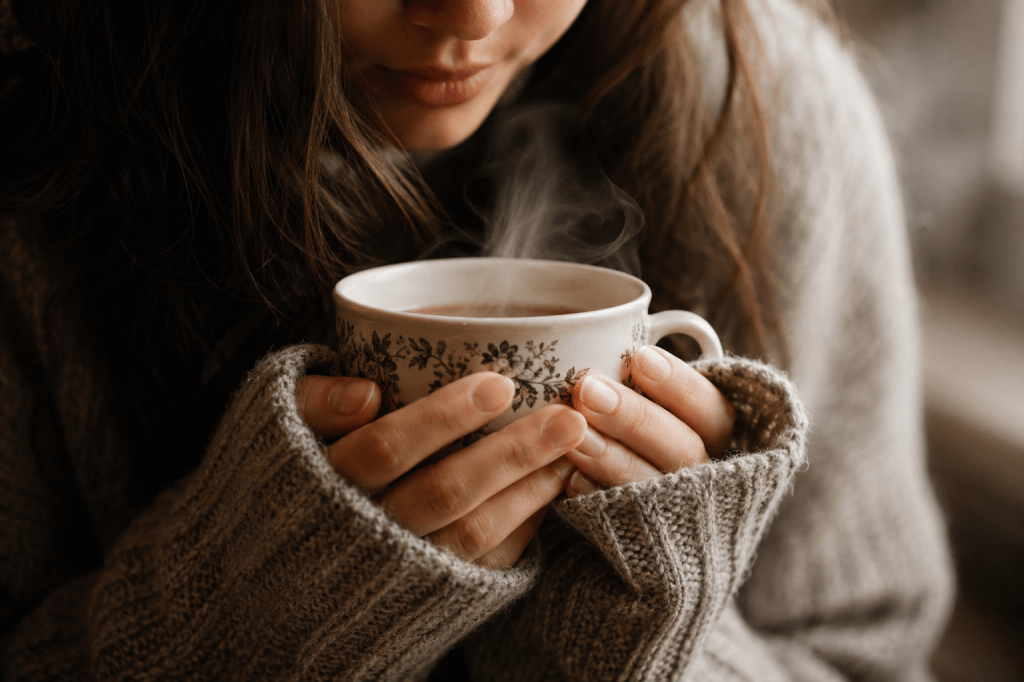
    The first sip sent warmth through my little body—from the spicy ginger and the steaming Coca-Cola.

    …

    My grandfather was a doctor, and my grandmother was a nurse. Even though they were trained in Western medicine, they always had a deep appreciation for Traditional Chinese Medicine (TCM) and natural remedies.

    Ginger was a staple in our household, not only for flavoring dishes but also for soothing upset stomachs and easing cold symptoms.

    In Traditional Chinese Medicine, ginger is known for its warming (yang-activating) properties. It has traditionally been used to dispel internal cold, promote circulation, and strengthen digestive function.

    How Ginger Builds Yang Energy

    • Warms the Middle Burner: Ginger targets the digestive core (Spleen and Stomach Yang), converting food into usable vital energy (Qi).
    • Dispels Internal Cold: Its pungent, thermal nature acts as an internal heater to break up cold stagnation and alleviate fatigue.
    • Drives Circulation: It pushes blood and Qi outward to the extremities, effectively warming cold hands and feet.

    In fact, there’s even a well-known wellness practice to “Eat ginger in the summer and radish in the winter” (夏天吃姜,冬天吃萝卜). While interpretations vary, ginger is traditionally valued for supporting yang energy and digestive function, whereas radish is often used to help clear excess heat and support digestion during the colder months.

    You might be wondering: why Coke? Truthfully, I think the recipe endured because my sister and I happily ‘drank our medicine’, while my grandparents knew we were getting plenty of warming ginger.

    …

    Recently, I caught a minor cold, and my mom reminded me to drink some ginger tea. As I sipped the hot ginger tea (with no Coke added this time), it again warmed my body and even more than that, it warmed my heart. In that simple cup, I felt deeply the love I felt from my grandparents then and now.


    Grandma’s Ginger Tea (Inspired by Her Original Coke Recipe)

    Ingredients:

    • 25 g fresh ginger, thinly sliced
    • 12 oz Coca-Cola
    • Optional healthier version:
    • 25 g fresh ginger
    • 12 oz water
    • 1 tsp honey or brown sugar (optional)

    Direction:

    • Add the sliced ginger and Coca-Cola to a small saucepan. Bring to a gentle boil and simmer for about 5 minutes. Allow it to cool slightly before serving.
    • Note: simple hack if you have an electric kettle and are omitting coco-cola for water: boil water in kettle and pour boiling water directly over slice ginger in a heat tolerant container

    Wellness isn’t always found in the newest supplement or the latest health trend. Sometimes it’s found in traditions that have quietly nourished families for generations. I hope this little story encourages you to rediscover the healing rituals that connect you to your own roots. If you try this recipe—or have a treasured family remedy to share—I’d love to hear your story in the comments. Some of the best medicine isn’t just what’s in the cup—it’s the love and memories we associate with it.
  • Reclaiming My Roots: A Full-Circle Moment in My Healing Journey

    Reclaiming My Roots: A Full-Circle Moment in My Healing Journey

    A few weeks ago, I was FaceTiming with my grandma and telling her about some of the acupuncture points I’ve been learning recently.

    I shared them with her because she had been trained in Traditional Chinese Medicine (TCM) as a young girl by her father—my great-grandfather. In fact, he was a renowned TCM practitioner with his own clinic before the Cultural Revolution broke out in the early 1960s.

    What my grandma said next completely shifted my knowledge and understanding of my heritage.

    “我的姥爷也是医生。我们家就是职业医生。”
    “My grandfather was also a TCM doctor. In fact, the trade of our family has always been medicine.”

    I was shocked. I had always known about my great-grandfather, but I didn’t realize I came from a lineage of traditional Chinese medicine doctors.

    That knowledge felt like a full-circle moment. Over the past few years, I’ve been diving deeper into holistic health and TCM—driven by nothing more than personal curiosity. And now, I was learning that this path has been within my bloodline all along, not to mention a meaningful step in a much longer journey: one of reclaiming and even celebrating my heritage as a Chinese American.


    As with many immigrants, there’s often a strong desire to assimilate—to fit in and feel like you belong in your new home. When I immigrated to the U.S. at 12, I vividly remember judging, rejecting, and even trying to forget my heritage.

    I didn’t want to be “too Asian.”
    I avoided hanging out in large groups of Asians.
    I prided myself on having mostly non-Asian friends, as if that somehow proved I had broken the stereotype that “all the Asians hang out together.”

    When my friends and I went out to eat, I chose anywhere but a Chinese restaurant.
    I even tried to forget memories from my childhood, telling myself I had “moved on.”

    Looking back now, I can see how extreme—and painful—that disconnection was.

    Like tannins in wine, I too softened with age. As much as I had tried to forget my past, a quiet yearning began to grow within me—a desire to return to my roots.

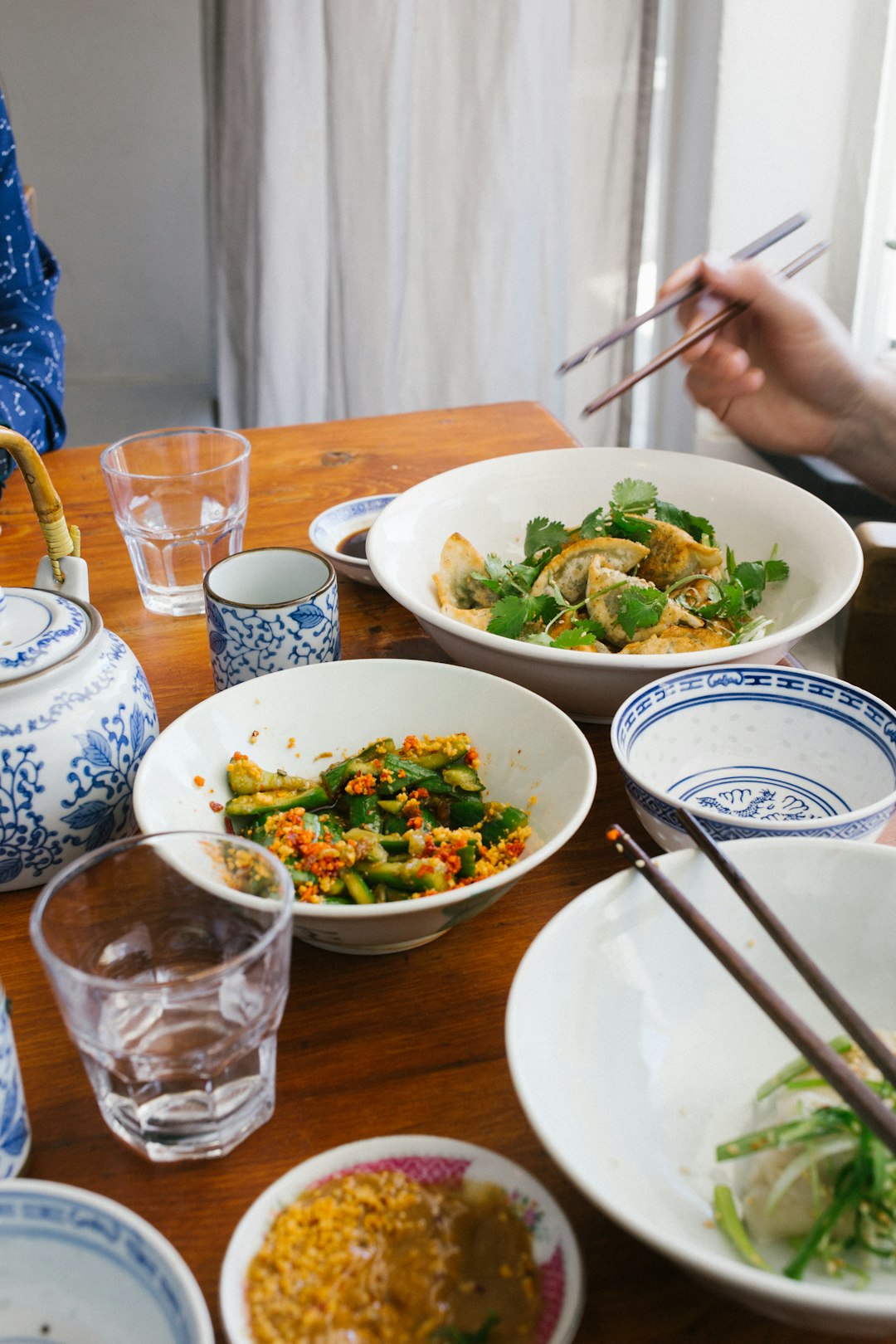
    It started with cravings for Chinese food. That “I’m home” feeling when walking through the aisles of an Asian grocery store, spotting foods like dried squid, seaweed, and fermented tofu—items that might seem foreign or even repulsive to others but feel so familiar and comforting to me.

    cooked food in bowls

    Because I haven’t spoken, read, or written Chinese on a daily basis for two decades, my language skills have become rusty. But two years ago, I felt a deep desire to reconnect. I set a goal to study Chinese for at least an hour each week.

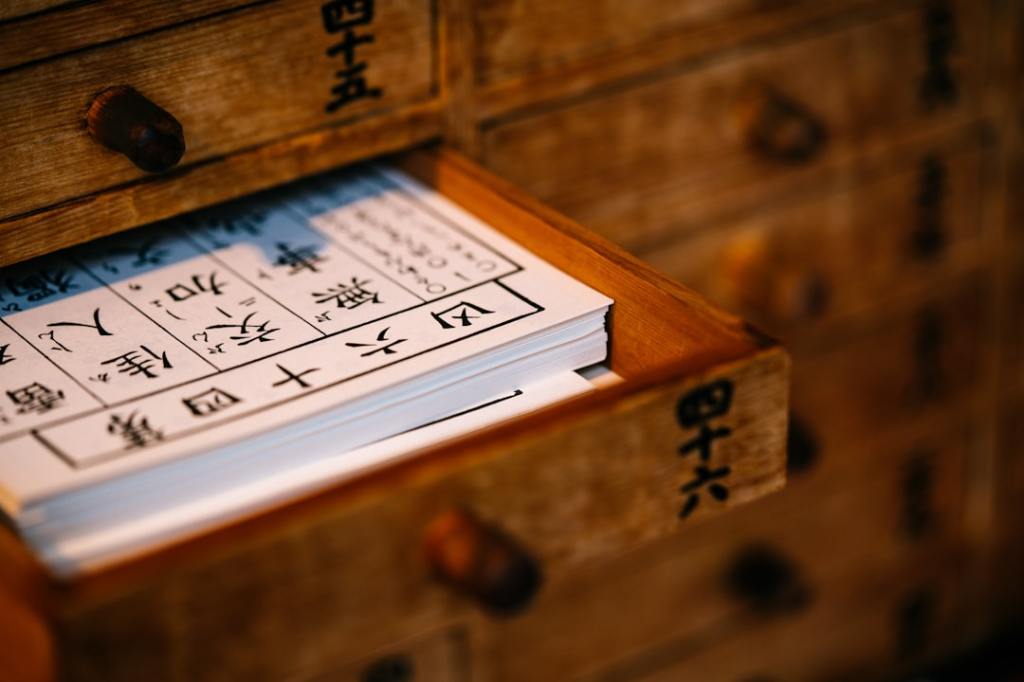
    Now, as I explore TCM more deeply, it’s been especially rewarding to be able to read ancient texts in Chinese. So much meaning gets lost in translation, and being able to understand the original language gives me direct access to the richness and nuance of the practice.

    I’ve also begun to recall so many wellness habits and philosophies my grandparents passed down when I was young—wisdom I had taken for granted at the time. Things like:

    • A central philosophy: Health is wealth. “If you don’t have health, you don’t have anything,” my grandma still reminds me.
    • A technique from my grandpa: massage a pressure point on the back of your neck when you feel sickness coming on.
    • A daily wellness drink: my grandma prepares a blend of over 10 types of grains and TCM herbs to nourish the body each morning.
    • A simple practice: sit on the balcony or go outside to soak in sunlight (晒晒太阳), especially important as we age.

    As a little girl, this was just what my family did. But now, I see how much these practices have influenced me—and how deeply they’ve shaped my growing passion for Traditional Chinese Medicine and natural healing.

    So hearing that I come from generations of TCM doctors felt like a full-circle moment—marking the end of one chapter (where past wounds were healed) and the beginning of another (where I fully love, celebrate, and reclaim what makes me me).

    It’s been inside me all along:
    My culture.
    The wellness practices of my childhood.
    My lineage.

    I’m not alone. In fact, I have generations of doctors walking with me, supporting me, and cheering me on as I continue this journey in TCM, health, and holistic healing.


    Hi there, 
    Thank you for reading. I sincerely hope the reflection enabled you to look at your culture and heritage through a new lens—a recognition of what a gift it may actually be. 
    
    Best,
    Elinor 

    Inviting You to Reflect on:

    What about your culture, roots, or heritage do you want to reclaim? What are some things already within you that you may have forgotten?

    Are there traditions, stories, or wisdom passed down through your family that you once overlooked but now feel called to explore?