Tag: Healing

  • Where Are You Meant to Grow?

    Where Are You Meant to Grow?

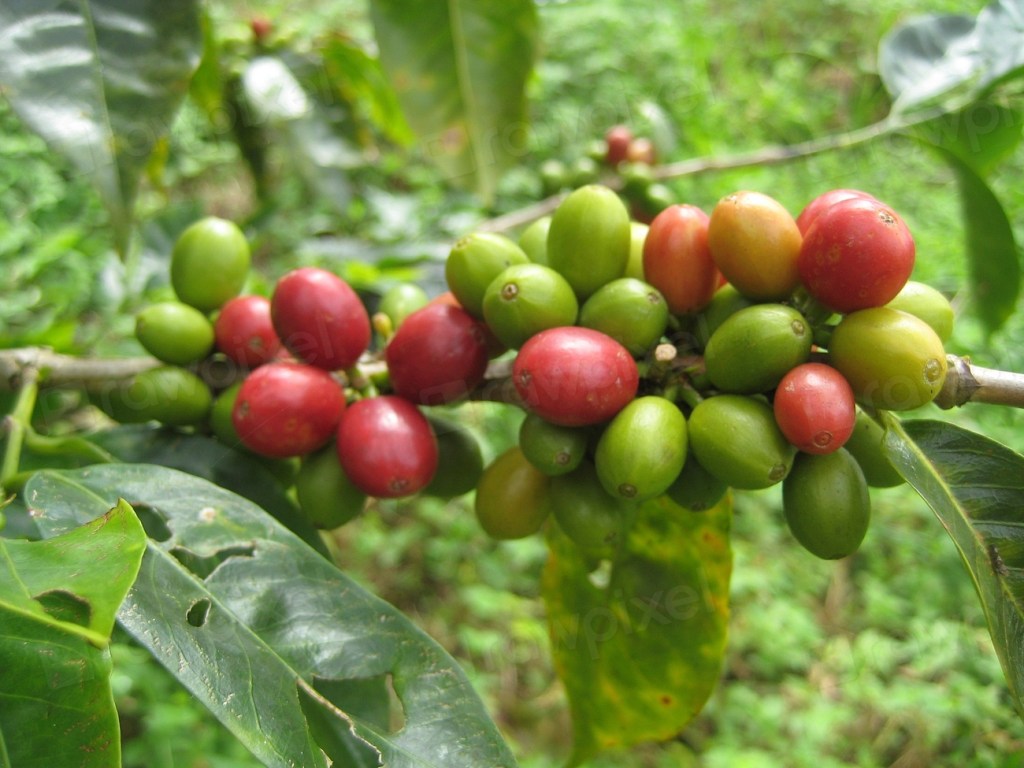
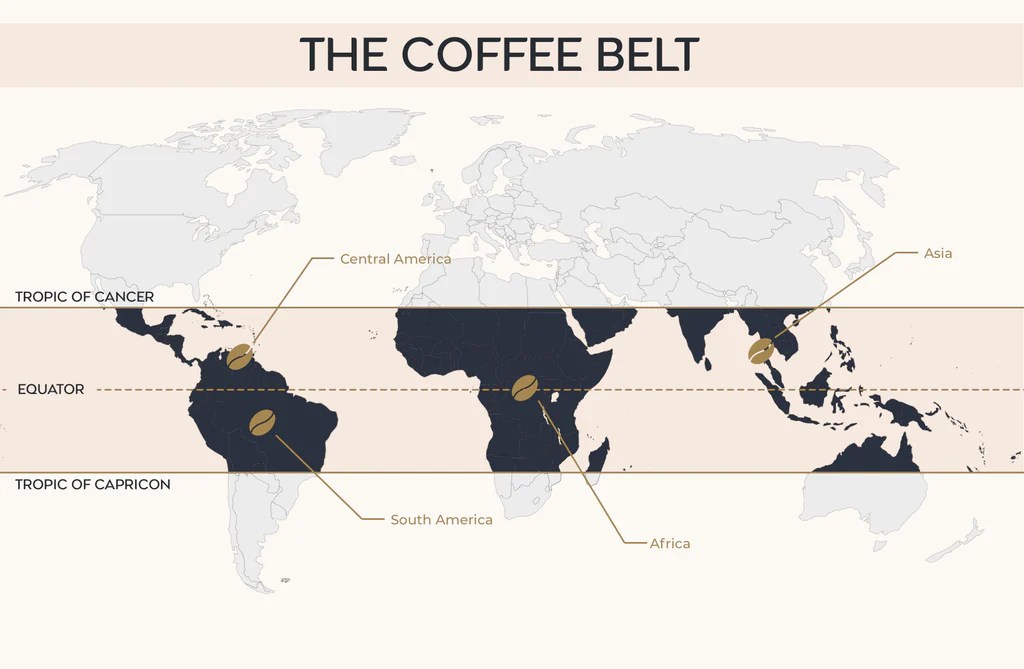
    “Do you know where in the world coffee is grown?” our tour guide, Julio, asked as the ten of us huddled around him, the scent of roasted beans lingering in the air.

    It was our first time visiting a coffee farm in Costa Rica. Julio led us toward a world map on the wall.

    “Central America,” someone offered.
    “Africa,” another added.
    “Asia,” someone else chimed in.

    “You’re all correct,” Julio smiled. “But does anyone know what the growing region is called?”

    We glanced around and shook our heads.

    “Coffee is grown inside the coffee belt,” he explained, pointing toward the map.

    The coffee belt, we learned, is a geographic zone between the Tropics of Cancer and Capricorn—spanning roughly 25 degrees north and 30 degrees south of the equator—where conditions are just right for coffee to thrive. Rich volcanic soil, warm temperatures, high altitudes, and steady rainfall make it the ideal environment.
    As an occasional coffee drinker, I was fascinated. I had never considered that crops like coffee could only grow in specific regions.

    Since then, we’ve visited a cacao farm and a tea plantation. The same principle applies: cacao grows in the cacao belt, and tea flourishes in just a handful of countries with the right mix of climate, soil, and rainfall.

    We learned this lesson firsthand when we tried gardening at home. The leaves on my dahlia flowers looked especially wilty, and the blooms drooped within two days of planting.

    Even though I had checked all the boxes—plenty of water, full sun—the dahlias didn’t perk up until I replaced the regular soil with fast-draining soil, which they actually needed.

    In nature, a plant—whether a coffee bean, a tea leaf, or a flower—cannot thrive unless it’s in an environment that supports its growth. It needs the right mix of climate, soil, and sun exposure to reach its full potential.

    The more I learned about what plants need to thrive, the more I saw the parallel: we, too, need the right environment to grow—especially at work.

    Finding Your ‘Thriving’ Place at Work

    Having worked at or consulted for half a dozen companies, I’ve seen firsthand how each organization has its own unique environment—shaped by its culture, leadership style, mission, values, and people.

    Each workplace has its own set of “growing conditions.” And those conditions, fortunately or unfortunately, aren’t ideal for everyone.

    Take Amazon and Starbucks, for example. At Amazon, efficiency is prized over personal connection. At Starbucks, “human connection” is a core part of the mission. The culture encourages casual coffee chats between colleagues as a way to foster relationships.

    My partner thrives in Amazon’s environment. For me, Starbucks provides a better space where I do my best work.

    If your workplace feels frustrating or draining, you might just be a coffee bean trying to grow outside the coffee belt—not because you’re not capable, but because the conditions aren’t right for you.

    To find the kind of workplace where you’ll thrive, you first have to understand what kind of “plant” you are. Are you a coffee bean or a tea plant? Do you prefer full sun or shade? What kind of environment brings out your best?

    I promise you: there’s a company out there with the perfect soil, climate, and care for you. And if you can’t find that place? Don’t settle. Create it for yourself.

    Planting Conditions for an Idea to Thrive

    I once worked for a visionary CEO who advised Silicon Valley executives on how to build user-centric organizations—places where technologies are intuitively designed because everyone from top to bottom deeply understands the end user. 

    He developed a formula I still think about today:
    Business Value by Design = People × Process × Mindset × Environment

    Most organizations invest in people and process. Some nurture the right mindset. But many overlook one of the most important elements: environment.

    And yet, environment is often the make-or-break factor that determines whether an idea survives—or withers on the vine.
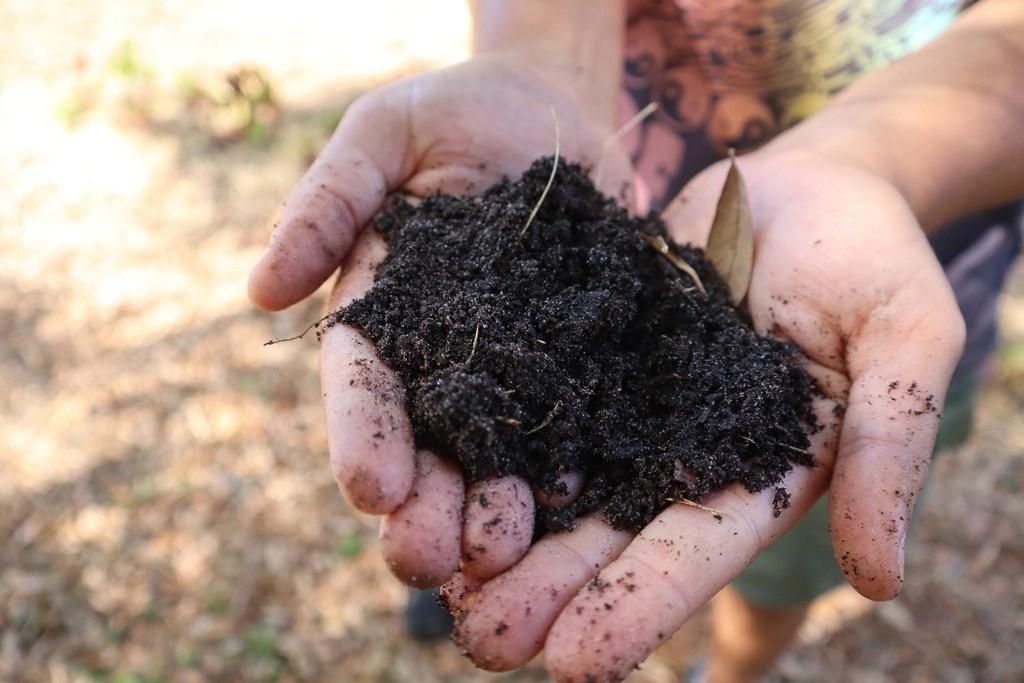
    Just like a cacao seed won’t sprout outside the cacao belt, an idea won’t thrive in a company that isn’t ready for it. If the soil isn’t fertile, if the climate is too harsh, if there isn’t space for it to breathe and evolve—it doesn’t matter how visionary the idea is.

    I’ve seen brilliant ideas fall flat because the culture wasn’t open to experimentation. I’ve also seen small ideas spark big transformation, simply because the conditions encouraged collaboration, risk-taking, and iteration.

    So before you judge an idea as “good” or “bad,” ask instead:

    • Is the environment ready for this idea to grow?
    • Are the conditions—leadership buy-in, team readiness, psychological safety, timing—there?
    • And if not, what can be done to improve the soil.

    Because sometimes, it’s not the seed that’s lacking. It’s the soil.

    Where are you meant to grow?

    Whether it’s a coffee bean, a flower, a person, or an idea—everything needs the right environment to truly thrive.

    Growth isn’t just about effort or potential; it’s about fit. You could be doing everything “right,” but if the conditions around you aren’t aligned, you’ll always feel like you’re struggling to bloom.

    So ask yourself: What’s your ideal growing environment?

    What kind of soil, climate, and care help you flourish? And what about the ideas you carry—are they planted in the right place to take root?

    The more we understand what helps us—and our ideas—grow, the better equipped we are to seek out or create environments where thriving becomes not the exception, but the norm.


    Inviting You to Reflect on:

    • What kind of “plant” are you? What conditions help you thrive?
    • Are you currently in your coffee belt—or trying to grow outside of it?
    • What kind of environment do your ideas need to take root?
  • The Unexpected Joy of Talking to Strangers

    The Unexpected Joy of Talking to Strangers

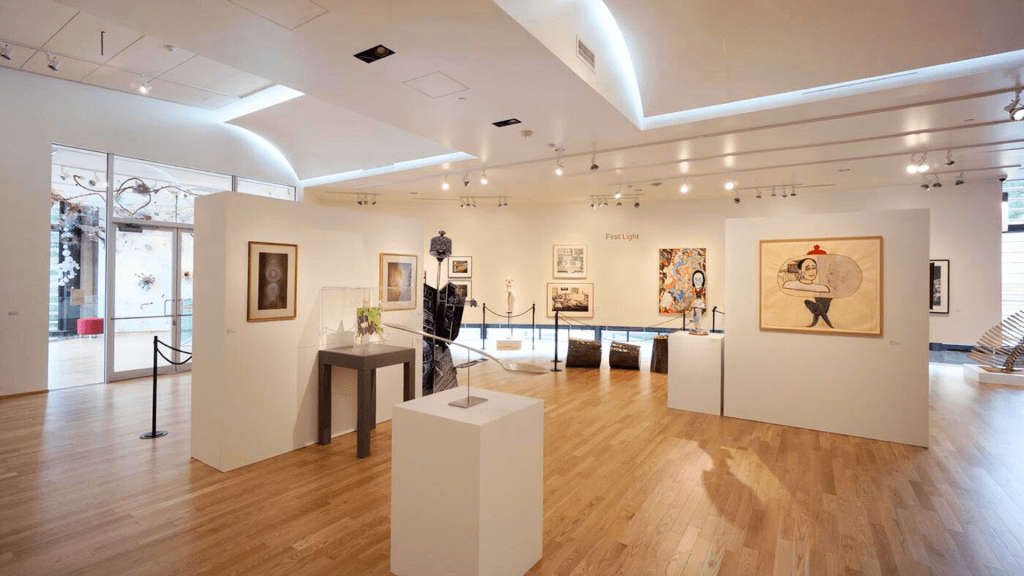
    It was a rainy Saturday morning. Since moving to my new home six months ago, I hadn’t really gotten involved in the community—until yesterday, when I volunteered at the local art museum for the first time.

    My role was simple: help check in guests as they arrived for a spring event.

    As an introvert who would usually rather look at her phone than engage in small talk with strangers, this meant stepping outside of my comfort zone. For a full hour, I greeted people, exchanged pleasantries, and made conversation with guests I had never met before.

    What I never would have guessed was how I’d feel leaving the museum after my shift—I walked out feeling like I had just won the lottery.

    To my surprise, I felt an immense sense of joy and aliveness from doing something I had long assumed was energy-draining rather than life-giving: talking to strangers.

    Simple exchanges like “I love the color of your coat,” “What brings you in today?” or “How’s your morning so far?” opened the door to something deeper.

    For me, it was the feeling of being connected to another human being, and knowing I’d brightened someone’s day—even if just for a moment—that made it all feel so special.

    It was witnessing a shift in body language—from closed and guarded to open and relaxed.

    It was watching someone’s mood transform—from distant to animated and full of life.

    It was catching the sparkle in their eyes and seeing a smile spread across their face.

    It was hearing them initiate a follow-up conversation, giving me a glimpse into their world:

    “I made sure I was first in line today because I have my eyes on this watercolor card with a fox on it…”

    It was discovering their essence radiating from the inside out.

    It was witnessing change in others—and feeling an unexpected joy ripple within me—through the simple act of striking up a conversation and sharing a laugh together.

    That hour reminded me of something I had forgotten: the quiet, healing power of human connection. These small moments are like electric pulses that reactivate our hearts, reminding us of our innate capacity for love, for empathy, and for joy.

    We are all connected—interwoven in ways we may have forgotten, with powers we too often neglect. The power to brighten someone else’s day. The power to show up with kindness. The power to connect.

    In a world that feels increasingly digitized, mechanized, and divided, we need connection now more than ever—more than we may even realize.

    For me, this means continuing to show up in my community. Saying yes to new experiences. And rediscovering the joy of talking to strangers.

    It doesn’t have to be a big gesture either. It could be as small as saying something kind to the cashier at the grocery store or asking “How’s your morning been?” when we call customer service next.

    A little can go a long way.

    And that power—that light—is already within us.


    Inviting You to Reflect on:

    • When was the last time you had a meaningful interaction with a stranger? How did it make you feel?
    • In what simple ways can you bring more warmth and connection into your everyday encounters?
    • What would it look like to be a source of light in someone else’s day today?
  • Reclaiming My Roots: A Full-Circle Moment in My Healing Journey

    Reclaiming My Roots: A Full-Circle Moment in My Healing Journey

    A few weeks ago, I was FaceTiming with my grandma and telling her about some of the acupuncture points I’ve been learning recently.

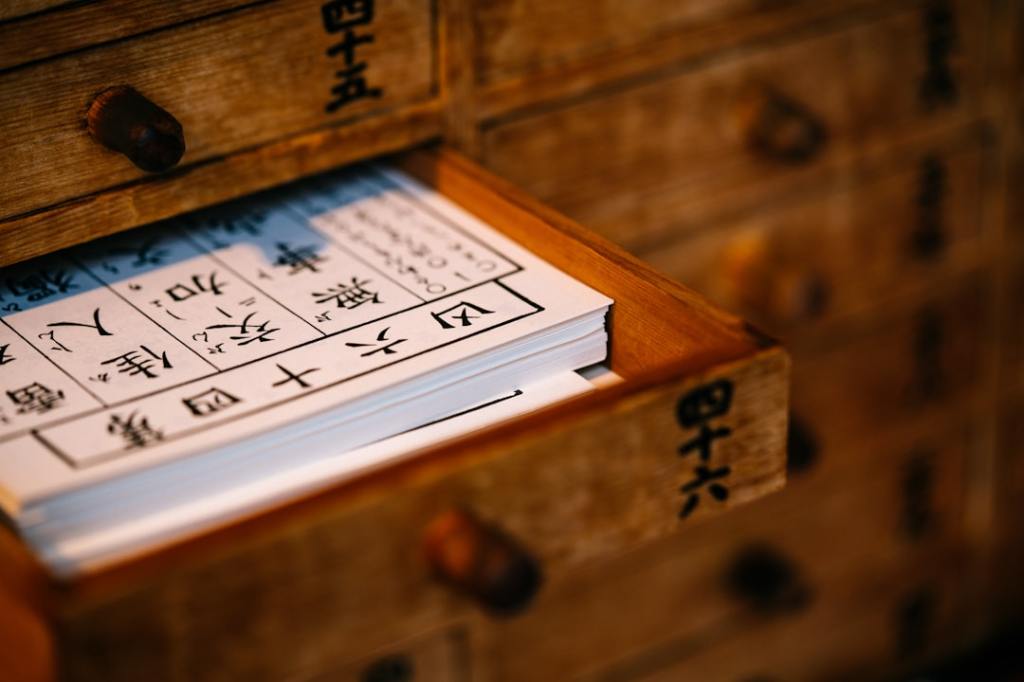
    I shared them with her because she had been trained in Traditional Chinese Medicine (TCM) as a young girl by her father—my great-grandfather. In fact, he was a renowned TCM practitioner with his own clinic before the Cultural Revolution broke out in the early 1960s.

    What my grandma said next completely shifted my knowledge and understanding of my heritage.

    “我的姥爷也是医生。我们家就是职业医生。”
    “My grandfather was also a TCM doctor. In fact, the trade of our family has always been medicine.”

    I was shocked. I had always known about my great-grandfather, but I didn’t realize I came from a lineage of traditional Chinese medicine doctors.

    That knowledge felt like a full-circle moment. Over the past few years, I’ve been diving deeper into holistic health and TCM—driven by nothing more than personal curiosity. And now, I was learning that this path has been within my bloodline all along, not to mention a meaningful step in a much longer journey: one of reclaiming and even celebrating my heritage as a Chinese American.


    As with many immigrants, there’s often a strong desire to assimilate—to fit in and feel like you belong in your new home. When I immigrated to the U.S. at 12, I vividly remember judging, rejecting, and even trying to forget my heritage.

    I didn’t want to be “too Asian.”
    I avoided hanging out in large groups of Asians.
    I prided myself on having mostly non-Asian friends, as if that somehow proved I had broken the stereotype that “all the Asians hang out together.”

    When my friends and I went out to eat, I chose anywhere but a Chinese restaurant.
    I even tried to forget memories from my childhood, telling myself I had “moved on.”

    Looking back now, I can see how extreme—and painful—that disconnection was.

    Like tannins in wine, I too softened with age. As much as I had tried to forget my past, a quiet yearning began to grow within me—a desire to return to my roots.

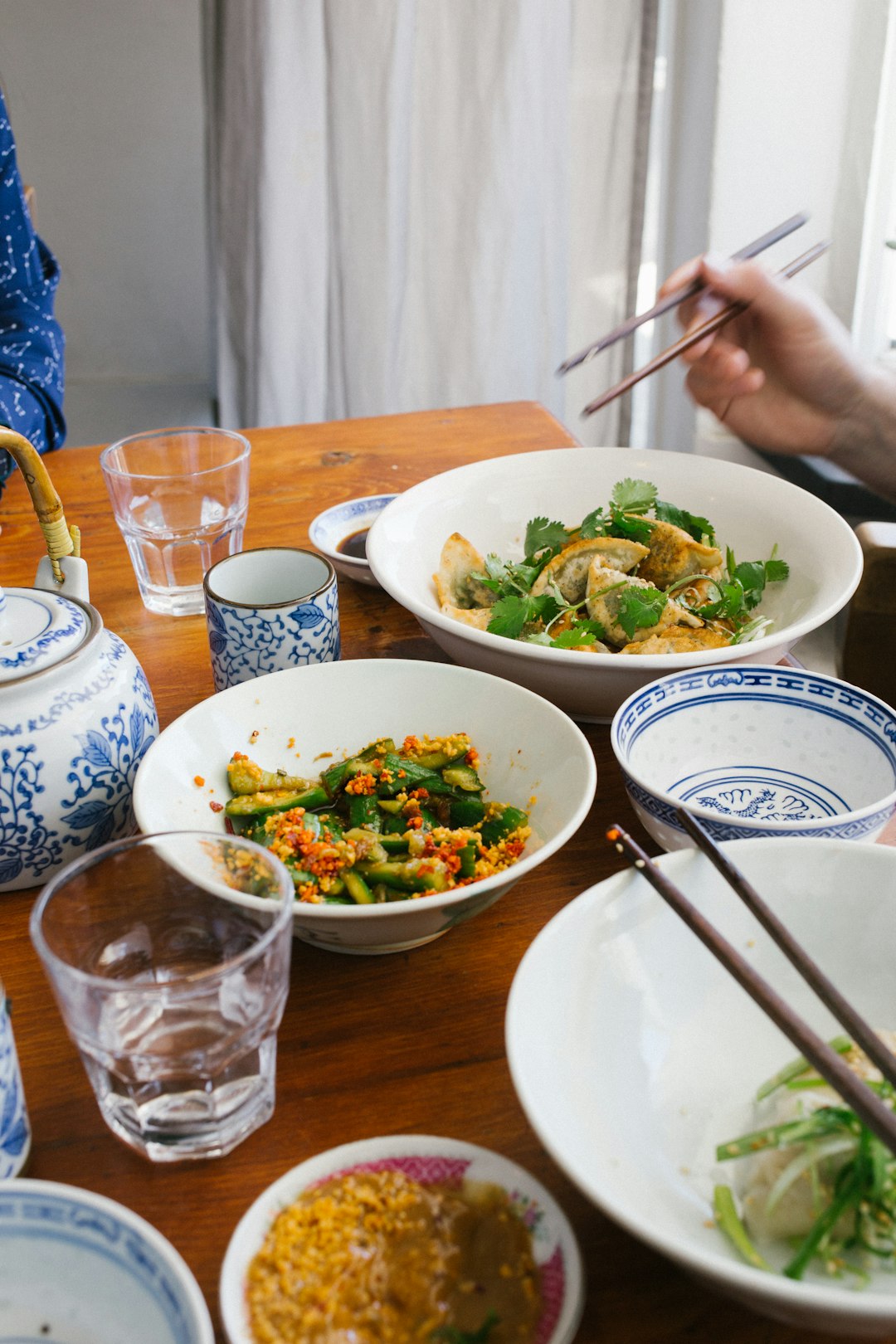
    It started with cravings for Chinese food. That “I’m home” feeling when walking through the aisles of an Asian grocery store, spotting foods like dried squid, seaweed, and fermented tofu—items that might seem foreign or even repulsive to others but feel so familiar and comforting to me.

    cooked food in bowls

    Because I haven’t spoken, read, or written Chinese on a daily basis for two decades, my language skills have become rusty. But two years ago, I felt a deep desire to reconnect. I set a goal to study Chinese for at least an hour each week.

    Now, as I explore TCM more deeply, it’s been especially rewarding to be able to read ancient texts in Chinese. So much meaning gets lost in translation, and being able to understand the original language gives me direct access to the richness and nuance of the practice.

    I’ve also begun to recall so many wellness habits and philosophies my grandparents passed down when I was young—wisdom I had taken for granted at the time. Things like:

    • A central philosophy: Health is wealth. “If you don’t have health, you don’t have anything,” my grandma still reminds me.
    • A technique from my grandpa: massage a pressure point on the back of your neck when you feel sickness coming on.
    • A daily wellness drink: my grandma prepares a blend of over 10 types of grains and TCM herbs to nourish the body each morning.
    • A simple practice: sit on the balcony or go outside to soak in sunlight (晒晒太阳), especially important as we age.

    As a little girl, this was just what my family did. But now, I see how much these practices have influenced me—and how deeply they’ve shaped my growing passion for Traditional Chinese Medicine and natural healing.

    So hearing that I come from generations of TCM doctors felt like a full-circle moment—marking the end of one chapter (where past wounds were healed) and the beginning of another (where I fully love, celebrate, and reclaim what makes me me).

    It’s been inside me all along:
    My culture.
    The wellness practices of my childhood.
    My lineage.

    I’m not alone. In fact, I have generations of doctors walking with me, supporting me, and cheering me on as I continue this journey in TCM, health, and holistic healing.


    Hi there, 
    Thank you for reading. I sincerely hope the reflection enabled you to look at your culture and heritage through a new lens—a recognition of what a gift it may actually be. 
    
    Best,
    Elinor 

    Inviting You to Reflect on:

    What about your culture, roots, or heritage do you want to reclaim? What are some things already within you that you may have forgotten?

    Are there traditions, stories, or wisdom passed down through your family that you once overlooked but now feel called to explore?