Category: Self-Discovery

  • Reclaiming My Roots: A Full-Circle Moment in My Healing Journey

    Reclaiming My Roots: A Full-Circle Moment in My Healing Journey

    A few weeks ago, I was FaceTiming with my grandma and telling her about some of the acupuncture points I’ve been learning recently.

    I shared them with her because she had been trained in Traditional Chinese Medicine (TCM) as a young girl by her father—my great-grandfather. In fact, he was a renowned TCM practitioner with his own clinic before the Cultural Revolution broke out in the early 1960s.

    What my grandma said next completely shifted my knowledge and understanding of my heritage.

    “我的姥爷也是医生。我们家就是职业医生。”
    “My grandfather was also a TCM doctor. In fact, the trade of our family has always been medicine.”

    I was shocked. I had always known about my great-grandfather, but I didn’t realize I came from a lineage of traditional Chinese medicine doctors.

    That knowledge felt like a full-circle moment. Over the past few years, I’ve been diving deeper into holistic health and TCM—driven by nothing more than personal curiosity. And now, I was learning that this path has been within my bloodline all along, not to mention a meaningful step in a much longer journey: one of reclaiming and even celebrating my heritage as a Chinese American.


    As with many immigrants, there’s often a strong desire to assimilate—to fit in and feel like you belong in your new home. When I immigrated to the U.S. at 12, I vividly remember judging, rejecting, and even trying to forget my heritage.

    I didn’t want to be “too Asian.”
    I avoided hanging out in large groups of Asians.
    I prided myself on having mostly non-Asian friends, as if that somehow proved I had broken the stereotype that “all the Asians hang out together.”

    When my friends and I went out to eat, I chose anywhere but a Chinese restaurant.
    I even tried to forget memories from my childhood, telling myself I had “moved on.”

    Looking back now, I can see how extreme—and painful—that disconnection was.

    Like tannins in wine, I too softened with age. As much as I had tried to forget my past, a quiet yearning began to grow within me—a desire to return to my roots.

    It started with cravings for Chinese food. That “I’m home” feeling when walking through the aisles of an Asian grocery store, spotting foods like dried squid, seaweed, and fermented tofu—items that might seem foreign or even repulsive to others but feel so familiar and comforting to me.
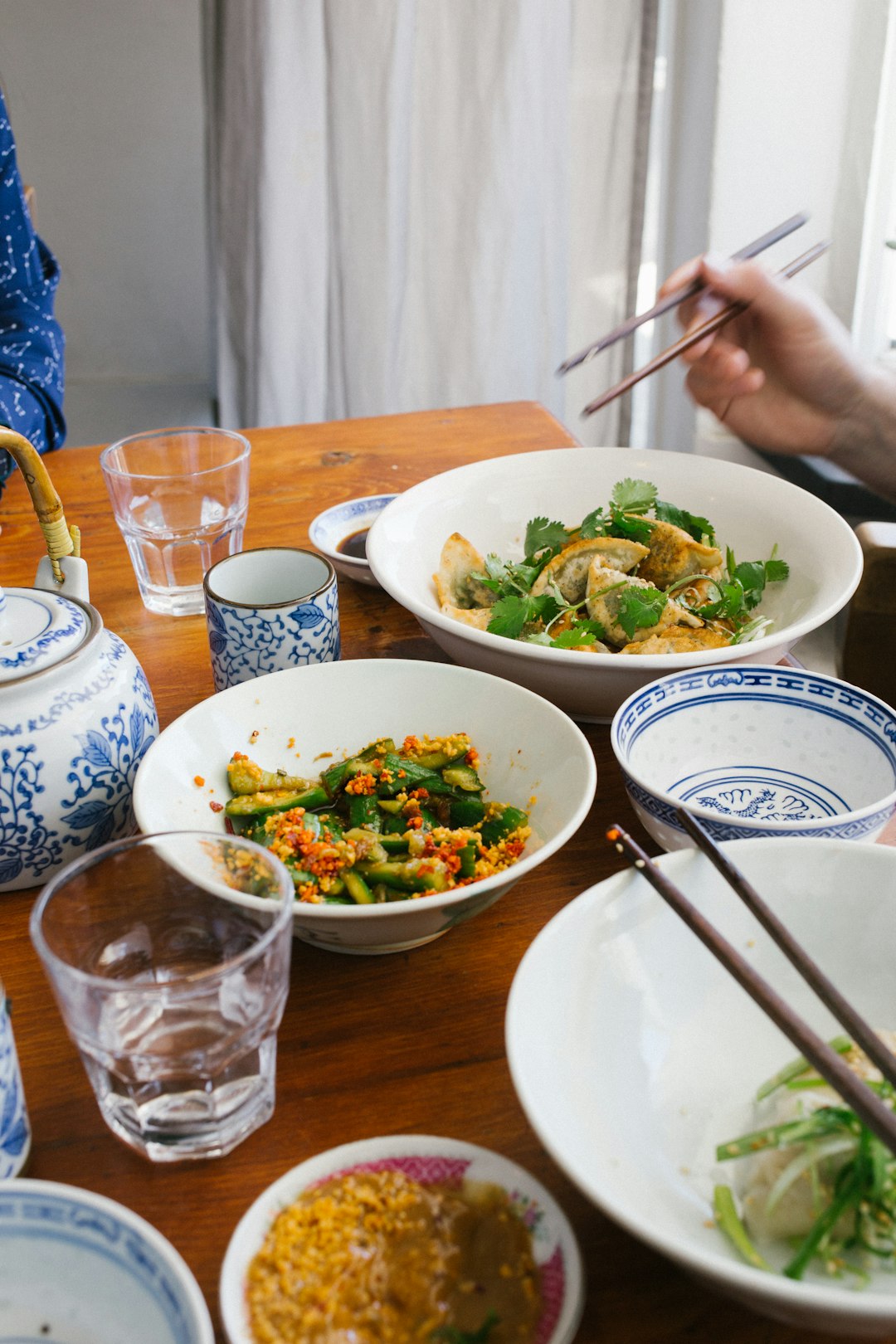
    cooked food in bowls

    Because I haven’t spoken, read, or written Chinese on a daily basis for two decades, my language skills have become rusty. But two years ago, I felt a deep desire to reconnect. I set a goal to study Chinese for at least an hour each week.

    Now, as I explore TCM more deeply, it’s been especially rewarding to be able to read ancient texts in Chinese. So much meaning gets lost in translation, and being able to understand the original language gives me direct access to the richness and nuance of the practice.

    I’ve also begun to recall so many wellness habits and philosophies my grandparents passed down when I was young—wisdom I had taken for granted at the time. Things like:

    • A central philosophy: Health is wealth. “If you don’t have health, you don’t have anything,” my grandma still reminds me.
    • A technique from my grandpa: massage a pressure point on the back of your neck when you feel sickness coming on.
    • A daily wellness drink: my grandma prepares a blend of over 10 types of grains and TCM herbs to nourish the body each morning.
    • A simple practice: sit on the balcony or go outside to soak in sunlight (晒晒太阳), especially important as we age.

    As a little girl, this was just what my family did. But now, I see how much these practices have influenced me—and how deeply they’ve shaped my growing passion for Traditional Chinese Medicine and natural healing.

    So hearing that I come from generations of TCM doctors felt like a full-circle moment—marking the end of one chapter (where past wounds were healed) and the beginning of another (where I fully love, celebrate, and reclaim what makes me me).

    It’s been inside me all along:
    My culture.
    The wellness practices of my childhood.
    My lineage.

    I’m not alone. In fact, I have generations of doctors walking with me, supporting me, and cheering me on as I continue this journey in TCM, health, and holistic healing.


    Hi there, 
    Thank you for reading. I sincerely hope the reflection enabled you to look at your culture and heritage through a new lens—a recognition of what a gift it may actually be. 
    
    Best,
    Elinor 

    Inviting You to Reflect on:

    What about your culture, roots, or heritage do you want to reclaim? What are some things already within you that you may have forgotten?

    Are there traditions, stories, or wisdom passed down through your family that you once overlooked but now feel called to explore?
  • Power of Human Connection: Strength in Togetherness

    Power of Human Connection: Strength in Togetherness

    How do you cope with stress or uncertainty? Do you fight, flight, or fawn?

    Personally, I just shut down. I am like those teenagers who have the “Keep Out” signs on their bedroom doors.

    That’s what I did on Monday. Given the continued uncertainty about layoffs, I isolated myself at work by working at the ‘library’ on a different floor. This is where I’ll process all my feelings. Alone, I thought.

    No talking, no calls, no social interactions. Exactly what I needed right now—or so I thought.

    I ate lunch alone. I worked alone. I took calls in a small room alone. By the end of the day, I had accomplished what I wanted—I had little to no human interactions.

    And unknowingly, I grew more anxious, disengaged, and angry as the day went on.

    What am I doing here? I wouldn’t be surprised if they… I spiraled into negative thoughts.

    Simple Changes. Drastically Different Outcomes.

    On Tuesday, I decided to try something different.

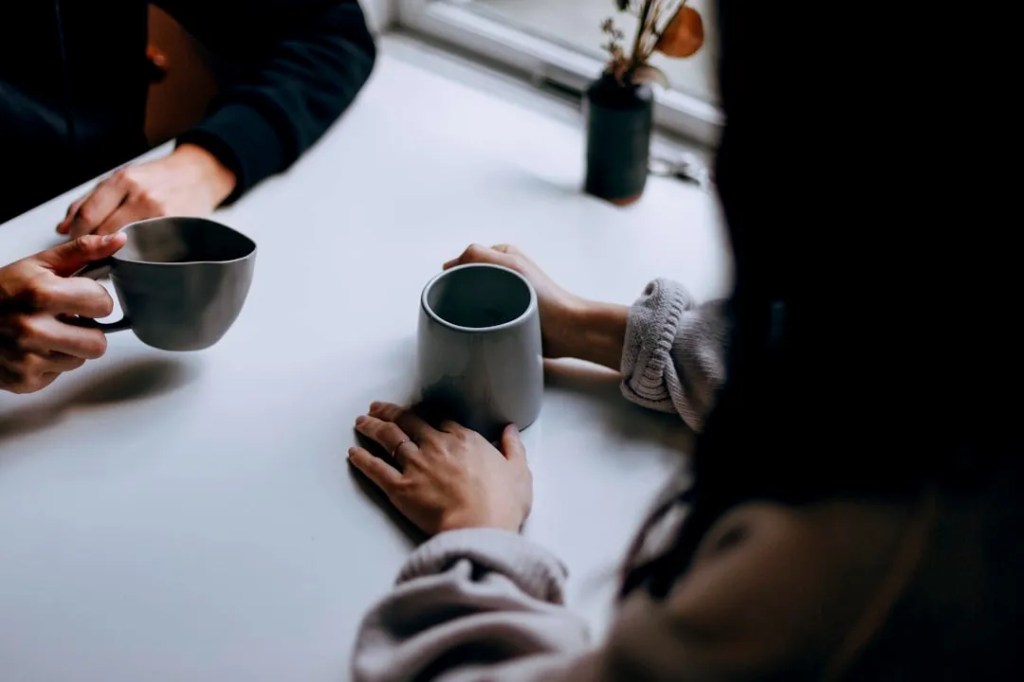
    Instead of isolating myself, I attended a weekly coffee tasting, a casual get-together over brewed coffee. Our host shared the coffee of the week and tried to lift us up by asking, “What is something you’re looking forward to?”

    We went around and shared one by one.

    “My 2-week trip to South Africa,” someone said.

    “Snowshoeing with friends this weekend,” someone else said.

    “Exciting TV season coming up…”

    As simple as it was, it felt so good to hear and cheer each other on for the joyous memories ahead.

    Then, my director walked in with tasting cups filled with mystery coffee.

    “Take a small, tiny sip,” he cautioned, “and tell me what you think”.

    My teammates and I each grabbed a cup and immediately called out:

    “It tastes burnt.”

    “Sour.”

    “This reminds me of medicine.”

    “Well thank you for the feedback,” he said, chuckling. “A friend shipped this to me from South Africa and wanted some honest feedback.”

    We laughed. “Maybe don’t tell your friend everything we said,’ we joked.

    And instead of eating lunch alone, I decided to eat at the community table with 10 other teammates during the lunch hour. We talked about microplastics (yikes), watercolor vs. acrylics, and oysters.

    At the end of Tuesday, I felt like a different person. So much happier, more motivated, and more optimistic about the future.

    What I Thought I Needed… Wasn’t What I Needed

    As an introvert who needs her quiet, alone time to recharge and prefers to process emotions on her own before engaging with others, I was surprised by how drastically my emotions shifted from one day to the next.

    What I thought I needed wasn’t what I needed. I craved solitude, but what I truly needed was connection.

    This experience highlighted the power of human connection—especially in moments when we feel like shutting the world out. In fact, it is during those lonely moments that we need connection the most.

    It’s through the smallest gestures—

    coming together,

    sharing a laugh,

    rooting for each other’s future,

    checking in,

    sharing a meal—

    that our souls are nourished in return.

    On Tuesday, I realized it is not aloneness but rather togetherness that we find the hope, strength, and inspiration to keep going.

    And how, in times of need, our connections with each other can nourish our soul.

    This experience has certainly reshaped how I will cope with difficult situations moving forward. It has also reshaped how I can be of service to others during tough times. I realized a simple hi and a smile can go a long way.


    What about you?

    How do you cope with uncertainty? How could connecting with others–rather than isolating yourself–benefit you mentally and emotionally?

    Is there someone in your life who could use a simple check-in today?

  • I’m Enough: Healing Our Inner Critic with Self-Love

    I’m Enough: Healing Our Inner Critic with Self-Love

    Valentine’s Day often centers on showing love to others—our partners, children, friends, and colleagues. But one of the most powerful relationships we can nurture is the one we have with ourselves.

    What if this Valentine’s Day, we choose to love ourselves as deeply as we love others?

    Try saying this out loud like you really mean it: I’m enough.

    If you’re like most people, those words might feel uncomfortable, even foreign. Why is that?

    Because often, deep down, we don’t believe it. As soon as we attempt to affirm our worth, our inner critic interrupts:

    You’re not as smart/capable/creative/successful as someone else.
    What have you accomplished to deserve that belief?

    The harsh judgment continues, often more cruel than anything someone else would say to us directly.

    But what if we chose to view our inner critic with love and compassion? Imagine it as a younger version of yourself—a child who has endured years or decades of criticism, comparison, and unrealistic expectations.

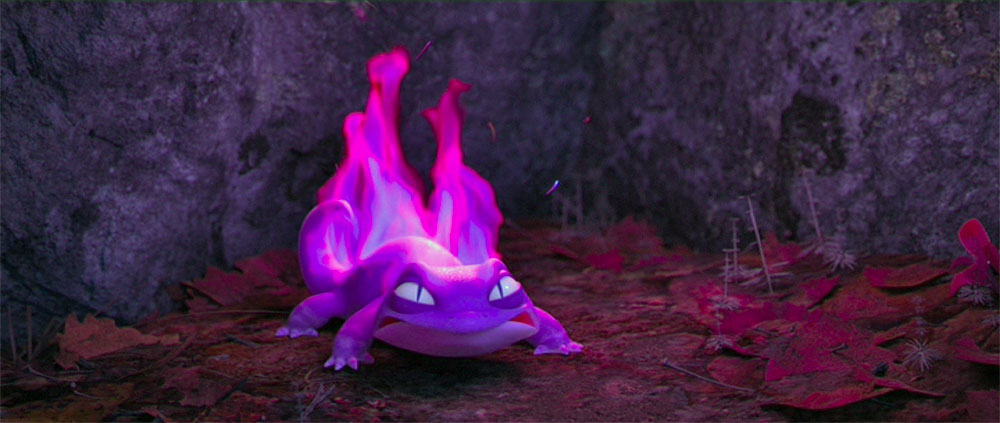
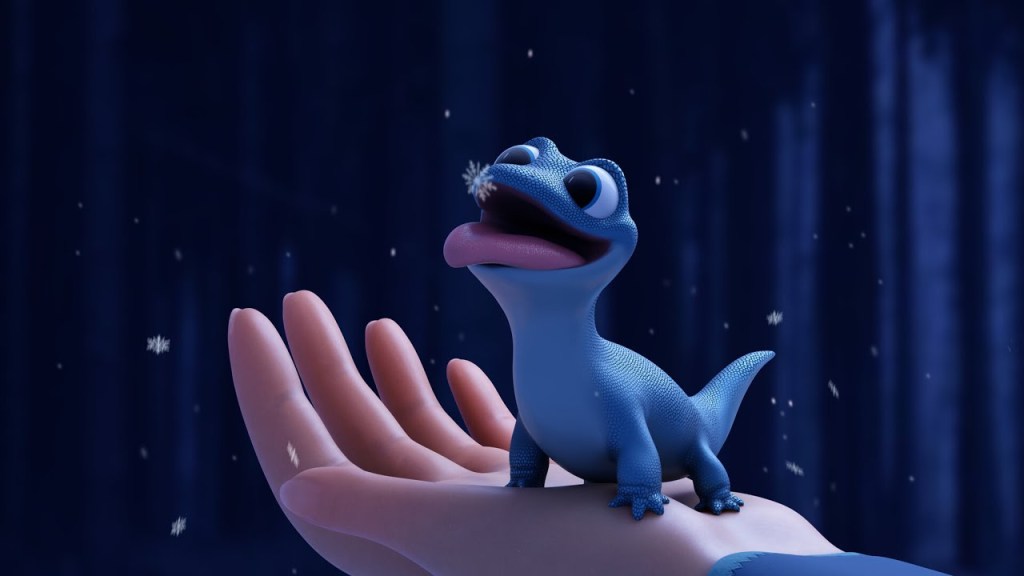
    This brings to mind the Fire Spirit from Frozen II, a gentle salamander consumed by fear and anger, leaving destruction in its path. Yet, when Elsa met it with love and compassion instead of resistance, its fiery rage stopped, revealing its true, lovable nature.

    What if we approached our inner critic the same way?

    What if we recognized that the critical voice isn’t truly us?

    Think back to the first time you heard those judgmental words. Way, way back.

    Whose voice was it? A parent? A teacher? A boss? Once we hear something enough, we begin to internalize it, mistaking it as our own.

    Picture that younger version of yourself hearing those hurtful words. How did they feel at that moment? Flawed? Inadequate? Unworthy?

    Now, imagine embracing that younger self. What would you say to them now?

    Perhaps:
    You are worthy.
    You are loved.
    You are enough.

    Feel the warmth of compassion as you reassure them. Visualize pouring love into them, healing old wounds with kindness.

    Healing begins when we unlearn the judgment we’ve absorbed and start remembering who we truly are—whole, worthy, and free.

    This Valentine’s Day, let’s commit to loving ourselves as much as we love others.

    Our inner critic isn’t our enemy; it’s a part of us that needs love. When we nurture it with compassion, we step closer to embracing our true selves—worthy, enough, and whole.

    What about you?

    What is one critical thought you often tell yourself? How can you reframe it with compassion? What would your younger self need to hear from you today?

    Subscribe

    Subscribe to a weekly dose of feel-good stories from everyday life in your inbox.

  • The Power of Contrast: Finding Beauty in Life’s Peaks and Valleys

    The Power of Contrast: Finding Beauty in Life’s Peaks and Valleys

    A ray of sunshine in the midst of a week-long of dreary gray skies.

    The bold, loud opening of Beethoven’s fifth symphony paired with soft and tender melodies.

    Light against darkness.

    The absence of sound when you wander deeper into the forest.

    The warmth and softness of your own bed after two nights of camping.

    Tasting the enhanced sweetness of a watermelon after you put a pinch of salt on it.

    Experiencing the lightness of a healthy body after recovering from the flu for a week.

    Feeling gratitude for a kind and understanding boss when you’ve had a bad one.

    Experiencing the joys of new growth after devastating losses.

    Each of these moments reminds us of a fundamental truth: contrast adds depth, meaning, and richness to our lives.

    Contrast shapes the peaks and valleys of our lives, filling our hearts with abundance, joy, and happiness precisely because we’ve also tasted loss, disappointment, and sadness.

    As much as we try to avoid the lows, without having experienced the lows (or what you did not want), we wouldn’t appreciate the joys of the highs (or what you do want).

    Everyday Lessons in Contrast

    This truth about contrast often comes to light in everyday conversations.

    Just last week, my colleague shared, “If it weren’t for the contrast, I wouldn’t be able to appreciate how much free time I used to have,” referring to the limited free time she now has as a mom to a 1-year-old daughter.

    Reflecting on my own life, I’ve found countless moments where contrast has deepened my appreciation, such as:

    • My now normal work hours when I used to work until 11pm every night
    • The long consulting days for the skills I acquired and now use at work
    • The sun-filled place I now live, compared to my old small and dark apartment
    • An employee-focused culture of my current employer

    The list goes on.

    Contrast, as uncomfortable as it may be at times, is a necessary part of life. It enables us to add new dimensionality to our everyday events and perhaps, identify welcoming changessee the old in new lights and appreciate aspects of past events that we’ve taken for granted.

    Understanding the power of contrast, I have now adopted a new attitude towards the “highs” and “lows” I’ll have in life.

    How I’ve Reframed Highs and Lows

    Highs: I’ve come to see highs (and lows) as a necessary part of life. It will not last forever so enjoy it while it lasts!

    Lows: Rather than dredging it, avoiding it, or pretending it doesn’t exist or will never come, I now embrace it. Why? Embracing the lows allows me to see them as stepping stones to deeper joy, sharpening my gratitude when the highs return.

    Reflecting On Your Own Contrast

    Understanding the role of contrast in your own life can be transformative. Here are a few questions to reflect on:

    • What are the highs and lows in your life to date? How do the lows or the highs enable you to experience the fullness of the other?
    • How will you approach the peaks and valleys in your future?

    By embracing contrast, you might just discover a richer, more meaningful way to navigate life’s peaks and valleys.

    What about you?

    What are the highs and lows in your life to date? How do the lows or the highs enable you to experience the fullness of the other?

    How will you approach the peaks and valleys in your future?

    Subscribe

    Subscribe to a weekly dose of feel-good stories from everyday life in your inbox.

  • The Red Envelope That Taught Me the Joy of Giving

    The Red Envelope That Taught Me the Joy of Giving

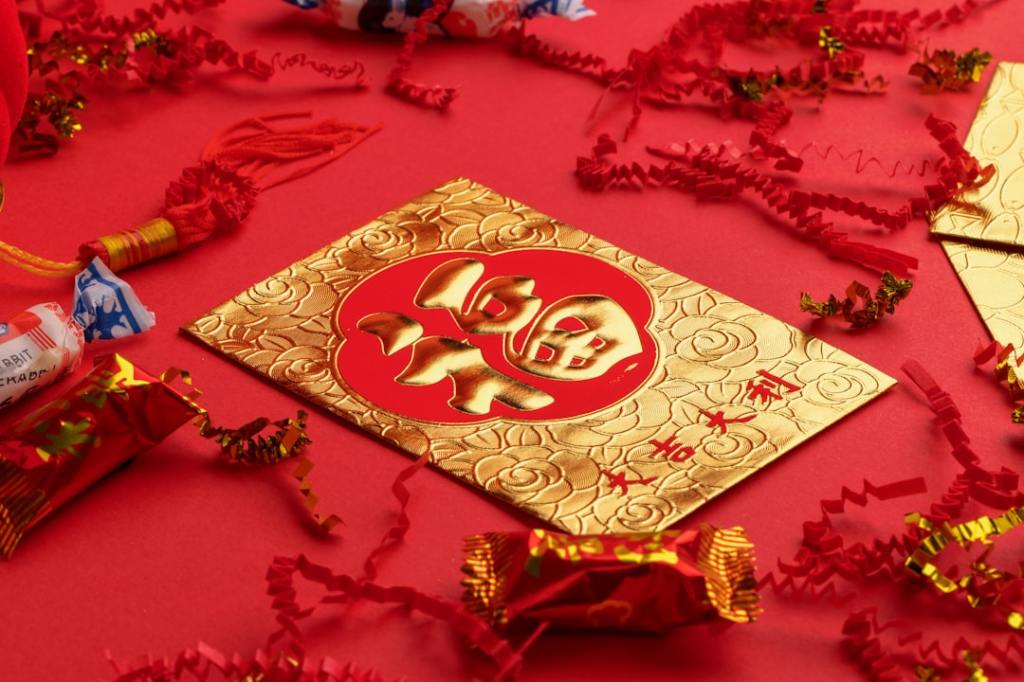
    During our company’s Lunar New Year celebration, I filled several red envelopes with candy for my team, feeling nostalgic as traditional music played in the background.

    Having grown up in China, I had so many heartwarming memories of celebrating Chinese New Year with my family:

    From wearing red from head to toe…

    To eating handmade dumplings freshly boiled as the clock strikes 12…

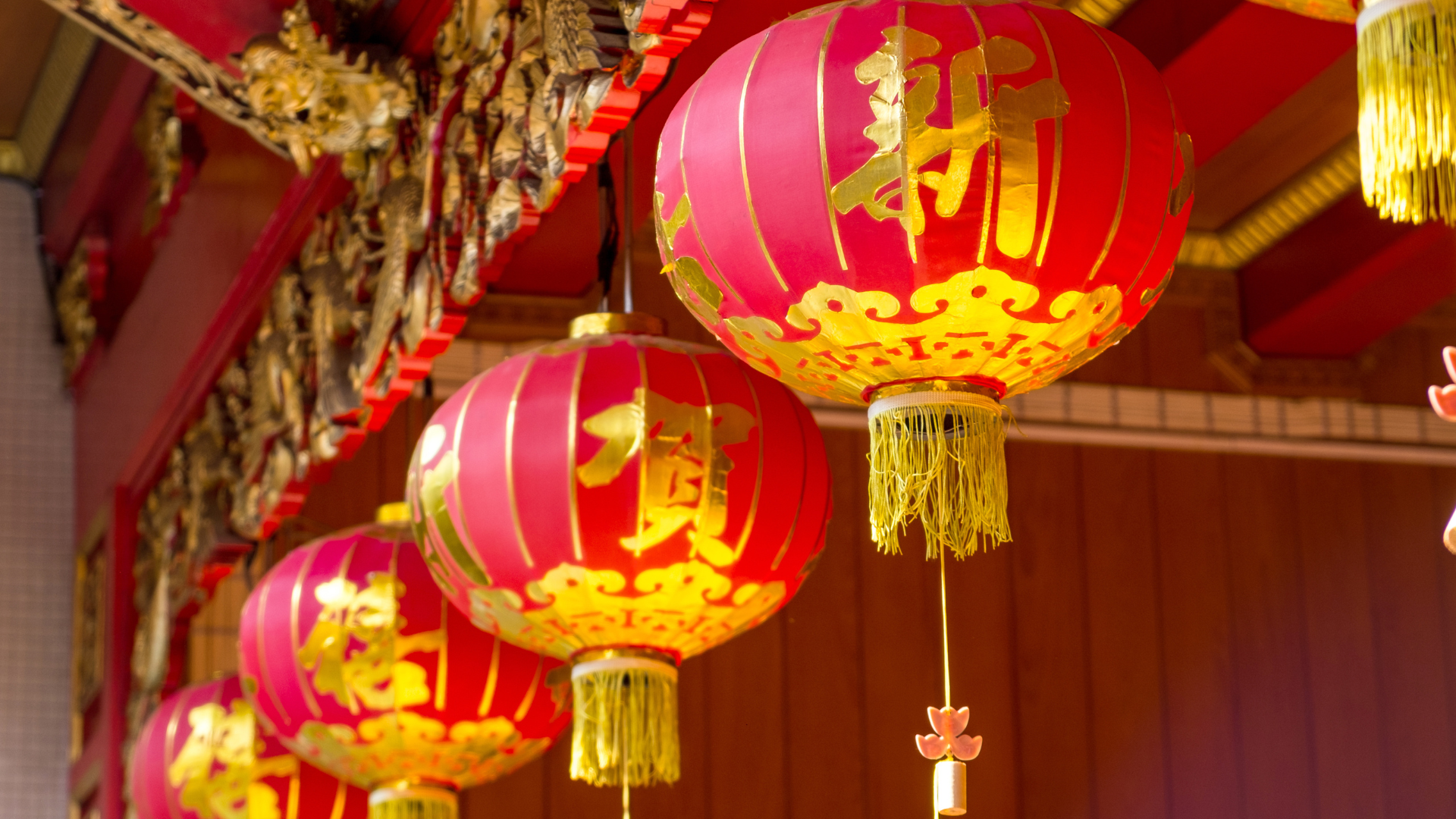
    To putting up giant red lanterns with my grandpa…

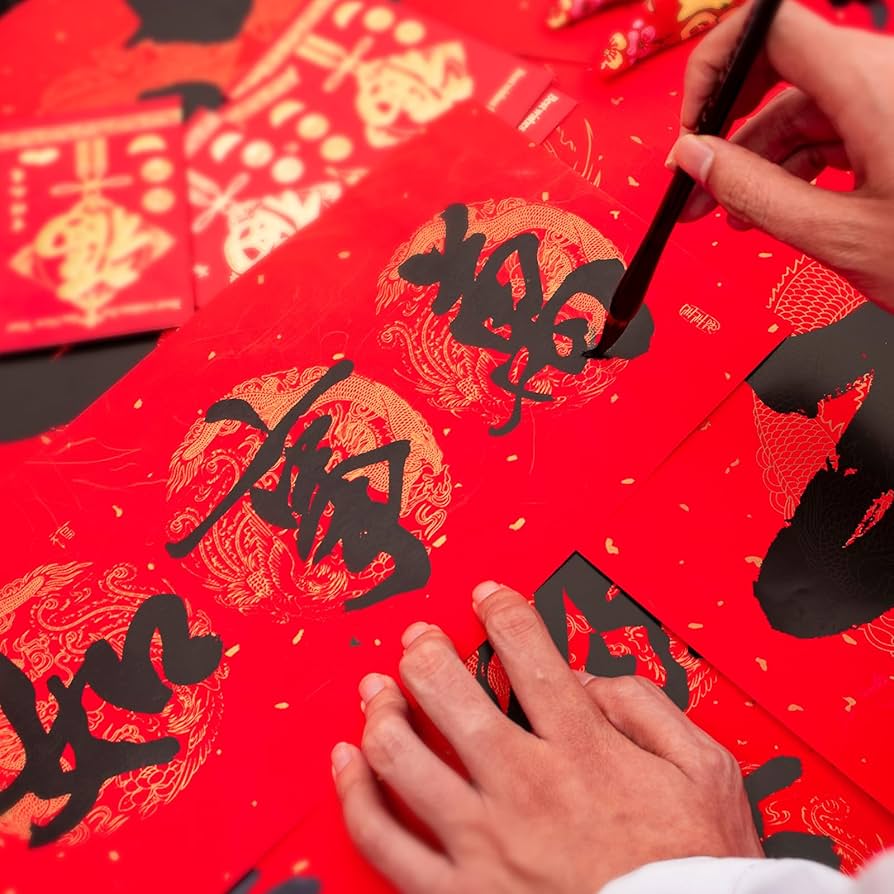
    To writing Chinese calligraphy on red paper to ‘protect’ our house from the evil ‘Nian’ spirit.

    Every year, my cousins and I would look forward the eve of Chinese New Year because that’s when my grandpa would hand out a red envelope to each of us!

    We’d excitedly open the envelope, knowing there would always be a crisp 100 yuan inside.

    To me, the red envelope (紅包) symbolizes the holiday spirit and reminds me of home.

    After passing the red envelopes out to my team, I found that I only had one left. I intended to keep it for myself as a tangible reminder of the joyous memories of my childhood.

    But then, a quiet nudge within me urged me to share the festivity and Chinese tradition with my director, Peter, whom I didn’t know as well.

    It’s not like he will care or notice,” a voice in my head rationalized.

    He looks busy. Now is probably not a good time,” another voice suggested, offering the perfect excuse to postpone (and realistically, never follow through).

    I had every reason to keep it—the nostalgia, the comfort, the personal significance. But the nudge to share my heritage and spread the joy of the day grew louder.

    Cautiously, I took a few steps toward where Peter sat and called out, “Peter?”

    He looked up, anticipating a work-related question.

    “Here’s a red envelope for Chinese New Year with some candies inside,” I blurted out, handing the stuffed red envelope to him.

    His eyes lit up in surprise, his posture shifting from focused to delighted. “Well, thank you!!” he said, his voice warm with appreciation.

    I smiled back.

    The interaction took less than a second. However, I felt a world apart.

    Even though I was the one giving a small gift, it felt like I was on the receiving end of something precious.

    I was blown away by how good it felt to give, even something as small and simple as a fifty-cent red envelope with three pieces of candy inside.

    It felt so good to share and spread a joyous part of my Chinese heritage with others.

    And I was beyond grateful that I had risen above my initial selfish desire to keep the red envelope for myself.

    Through the simple act of giving, I not only felt a deeper connection with others but also a profound realization—our greatest growth comes not in solitude, but through our interaction with others. It is those shared experiences, big or small, that we uncover who we truly are and who we aspire to be.

    What about you?

    When was the last time you chose to share a piece of yourself with others? How did it shape your understanding of connection and personal growth?


    Subscribe

    Subscribe to a weekly dose of feel-good stories from everyday life in your inbox.